
This article explores Brunei’s multifaceted stance in the South China Sea disputes, focusing on its historical ties with China, commitment to a constitutional monarchy, and economic reliance on offshore resources. It delves into Brunei’s diplomatic engagements within ASEAN, navigating geopolitical challenges, and balancing relations with China amid the U.S.-China competition. The study examines Brunei’s adherence to UNCLOS, its role in joint exploration with Malaysia, and the environmental aspects of resource extraction. The article also considers Brunei’s position within ASEAN, handling overlapping territorial claims, and adapting to China’s evolving influence. Furthermore, it analyses Brunei’s economic interactions in the U.S.-China competition, legal dimensions within UNCLOS, ongoing diplomatic engagements with the U.S., and technological advancements in resource extraction. The inclusion of cultural and historical dimensions adds depth, while the final section explores future scenarios and adaptive diplomacy, projecting Brunei’s role in the evolving geopolitical landscape.
Introduction
Nestled on the island of Borneo, Brunei emerges as a small yet influential player in Southeast Asia. The proposal for joint exploration in the South China Sea by Malaysia’s Prime Minister, Najib Razak, places Brunei at the center of evolving regional dynamics. A Neoclassical Realism study investigates the vanishing claims of Brunei, emphasising systemic stimuli and elite perceptions shaping its foreign policy.
Considering Brunei’s rich cultural and historical background adds a layer to our analysis. Exploring how these factors influence diplomatic decisions, especially in the context of the South China Sea disputes, provides insights into the deeper motivations guiding Brunei’s foreign policy. Understanding the cultural and historical dimensions enhances our comprehension of Brunei’s stance and actions on the international stage. Analyzing historical narratives, cultural symbols, and the impact of cultural diplomacy on Brunei’s foreign policy decisions offers a holistic perspective on the underlying factors shaping its approach to the South China Sea disputes.
Historical Ties with China
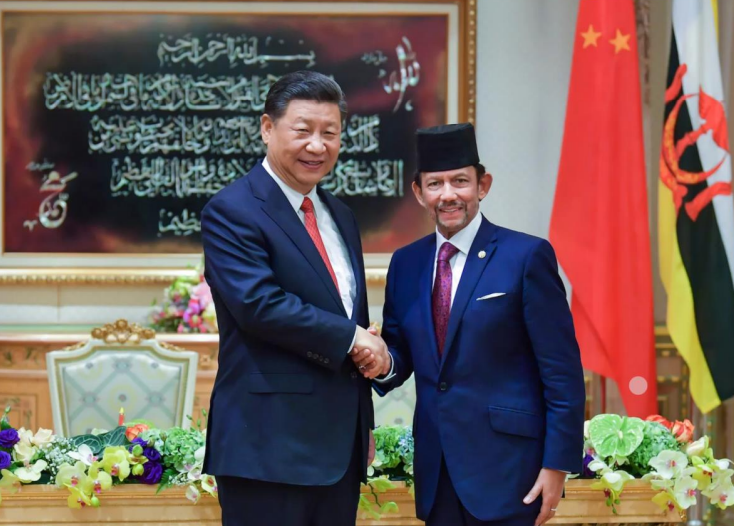
Brunei’s historical ties with China and its commitment to a constitutional monarchy form the bedrock of its nuanced approach to the South China Sea disputes. Throughout history, Brunei maintained a neutral stance, prioritising diplomatic solutions and multilateral approaches, underscoring its role as a stabilising force in the region. Notably, the Treaty of Friendship and Cooperation with China in 1994 remains a cornerstone in understanding Brunei’s diplomatic legacy.
Brunei’s reliance on offshore oil and gas resources makes the South China Sea economically critical. The quest for a peaceful maritime environment reflects strategic imperatives, with an exploration of sustainable resource extraction technologies revealing forward-looking strategies. Brunei’s efforts in embracing advanced technologies, such as deep-sea drilling and exploration techniques, showcase its commitment to sustainable resource management. Collaborative efforts with international partners for technology transfer highlight Brunei’s proactive approach to technological advancements.
ASEAN and Regional Challenges
Active participation within ASEAN allows Brunei to contribute to addressing the South China Sea issue. Aligned with a commitment to a rules-based order, Brunei emphasizes the importance of respecting territorial sovereignty and ensuring freedom of navigation. Delving into Brunei’s specific contributions within ASEAN illuminates its diplomatic endeavours. The Code of Conduct in the South China Sea negotiations, where Brunei plays a pivotal role, reflects its dedication to regional stability. Brunei’s involvement in ASEAN-led dialogues promotes collective decision-making and conflict resolution.
Brunei grapples with complex geopolitical challenges in the South China Sea. Overlapping territorial claims, militarisation, and major power involvement necessitate nuanced diplomacy. A historical analysis of Brunei’s diplomatic manoeuvres during tense periods provides valuable context. Instances like the Scarborough Shoal standoff in 2012 highlight Brunei’s role in mitigating tensions through diplomatic channels. Continuous efforts to foster dialogue and de-escalation strategies underscore Brunei’s commitment to regional stability.
Considering the perspectives of other Southeast Asian countries enriches our analysis. Vietnam, Philippines, and Indonesia each bring unique viewpoints and interests. Examining these perspectives offers a comprehensive view of Brunei’s role in the South China Sea. Brunei’s collaborations with regional partners in addressing shared concerns contribute to regional stability. Joint initiatives, such as environmental protection programs, demonstrate Brunei’s commitment to fostering regional cooperation beyond territorial disputes.
China’s Influence and Delicate Balancing Act with the US
China’s assertiveness poses a unique challenge for Brunei. Balancing historical ties with the need to assert sovereignty and protect economic interests requires diplomatic finesse. This delicate balancing act underscores Brunei’s role as a regional player seeking to safeguard its national interests. Notably, Brunei’s cautious response to the Belt and Road Initiative showcases its strategic approach in managing relations with China. Ongoing diplomatic dialogues, particularly on economic matters, indicate Brunei’s commitment to sustaining a pragmatic relationship with China.
Brunei’s diplomatic posture becomes intricate amid the U.S.-China competition. Maintaining a neutral stance and seeking equal distance between the two powers secures Chinese investments crucial for Brunei’s rulers. Economic intricacies with both nations provide insights into its strategic neutrality. Ongoing economic dialogues and trade agreements with the U.S. and China exemplify Brunei’s commitment to balancing relationships in the midst of global power dynamics. Notably, Brunei’s active participation in the ASEAN Regional Forum showcases its dedication to regional security and stability.
UNCLOS Adherence and Pragmatic Strategies
While adhering to UNCLOS, Brunei’s reserved public stance on China’s territorial claims secures economic gains. A closer examination of Brunei’s legal strategies within UNCLOS enhances our understanding of its careful navigation of complex geopolitical dynamics. Brunei’s involvement in UNCLOS arbitration mechanisms, despite its reserved stance, underscores its commitment to international law. Continued adherence to UNCLOS principles, coupled with diplomatic initiatives, reflects Brunei’s commitment to a rules-based order in the South China Sea.
Brunei’s active participation within ASEAN continues to underscore its commitment to a rules-based order and reflects a broader regional perspective. Collaborating with fellow members, Brunei emphasizes the importance of respecting territorial sovereignty and ensuring freedom of navigation in accordance with UNCLOS. Analysing specific instances of collaborative diplomacy within ASEAN provides additional context to Brunei’s diplomatic endeavors, highlighting its role as a stabilising force in the region. Brunei’s efforts to facilitate ASEAN led dialogues on regional security contribute to a cohesive approach to the South China Sea issues.
However, Brunei’s reserved public stance on China’s territorial claims within the framework of UNCLOS represents a pragmatic approach. Further exploration of Brunei’s continued legal strategies, including any legal challenges or initiatives within UNCLOS, provides a detailed perspective on its efforts to secure economic gains while navigating the territorial dispute. Understanding the legal dimensions of Brunei’s strategies enhances the analysis of its careful navigation of complex geopolitical dynamics. Continuous engagement with international legal forums and adherence to legal mechanisms for dispute resolution showcase Brunei’s commitment to upholding the rule of law in the South China Sea.
Role of the United States and Regional Dynamics
The United States’ role plays a crucial part in shaping Brunei’s stance. Investigating historical interactions provides valuable insights. Expanding our analysis to include regional perspectives is crucial to consider how other Southeast Asian countries perceive Brunei’s role. Collaborative efforts with the U.S., such as joint military exercises, highlight Brunei’s commitment to regional security. Brunei’s role as an intermediary in fostering U.S.-ASEAN relations further solidifies its position in the regional landscape.
Challenges in Joint Exploration with Malaysia
Brunei’s intricate engagement with Malaysia in joint exploration adds a dynamic layer to its regional dynamics. This collaborative effort signifies economic cooperation, emphasizing Brunei’s commitment to regional stability through diplomatic initiatives. Addressing challenges in joint exploration, such as delineation of maritime boundaries, showcases Brunei’s dedication to conflict resolution. Bilateral engagements with Malaysia underscore Brunei’s commitment to mutually beneficial solutions in the resource-rich South China Sea.
Environmental Aspects of Resource Extraction
lving deeper into the environmental aspects of resource extraction, Brunei’s initiatives for sustainable resource extraction and environmental protection showcase a commitment to balancing economic development with ecological responsibility. Exploring the integration of technological advancements in resource extraction sheds light on Brunei’s proactive approach to securing its economic interests while being environmentally conscious in the South China Sea. Collaborative research and development projects with international environmental organisations highlight Brunei’s commitment to sustainable practices.
Brunei’s commitment to sustainable resource extraction involves embracing technological advancements. Analysing the integration of cutting-edge technologies, such as artificial intelligence and environmental monitoring systems, sheds light on Brunei’s proactive approach. This section explores how technology enhances economic interests while addressing environmental concerns, showcasing Brunei’s innovative strategies in navigating the challenges of resource extraction in the South China Sea. Collaborative research and development initiatives with leading technology providers and environmental organizations illustrate Brunei’s commitment to staying at the forefront of advancements in resource extraction.
Handling Overlapping Territorial Claims
The complexities of overlapping territorial claims in the South China Sea present Brunei with unique geopolitical challenges. Further examination of specific instances where Brunei navigated these challenges, addressing overlapping claims diplomatically, can enhance our understanding of the nation’s nuanced approach. Historical analysis and outcomes of such diplomatic manoeuvres contribute valuable insights into Brunei’s role as a stabilising force in the contested region, showcasing its ability to navigate intricate geopolitical landscapes. Engaging in confidence-building measures, such as joint patrols and dispute resolution mechanisms, exemplifies Brunei’s commitment to fostering stability amidst territorial complexities.
Diving deeper into Brunei’s diplomatic manoeuvres during overlapping territorial claims, this section examines historical instances and their outcomes. A detailed analysis of Brunei’s negotiation strategies, involvement in international arbitration, and collaboration with neighboring countries provides a nuanced understanding of how Brunei navigates intricate geopolitical landscapes, contributing to its stabilizing role in the region. Historical case studies of successful diplomatic resolutions and ongoing engagement in diplomatic forums showcase Brunei’s effectiveness in managing overlapping territorial claims through constructive dialogue and collaboration.
Adapting to China’s Evolving Influence
China’s evolving influence in the South China Sea requires a nuanced exploration of Brunei’s delicate balancing act. Investigating how Brunei adapts its strategies in response to shifts in China’s approach provides a dynamic perspective on Brunei’s role as a regional player. Examining the historical development and recent trends in China’s influence helps decipher the intricate geopolitical landscape in which Brunei operates, offering a comprehensive view of its strategic positioning. Brunei’s continuous engagement with China, combined with proactive diplomatic initiatives, reflects its adaptive approach to evolving geopolitical dynamics.
Broader Economic Interactions in U.S.-China Competition
While acknowledging Brunei’s neutral stance in the U.S.-China competition, a deeper exploration of broader economic interactions with both nations enriches the analysis. Understanding trade dynamics, investment patterns, and economic dependencies provides valuable insights into Brunei’s strategic neutrality. This additional layer of economic intricacies contributes to a more comprehensive view of how Brunei strategically positions itself in the global economic landscape amid the ongoing competition between the United States and China. Examining the diversification of Brunei’s economic partnerships and its efforts to foster a resilient economy contributes to a nuanced understanding of its position in the evolving global economic scenario.
Continuing the exploration of Brunei’s economic interactions in the U.S.-China competition, this section delves into the evolving trade dynamics, investment patterns, and economic dependencies. Analysing recent developments and agreements with both nations helps maintain a real-time perspective on how Brunei strategically positions itself amid the ongoing economic competition, offering up-to-date insights into its global economic landscape. Monitoring changes in economic partnerships, trade policies, and investment patterns contributes to a dynamic understanding of Brunei’s economic resilience in the face of evolving global dynamics.
Contemporary Diplomatic Engagements with the U.S
While investigating historical interactions with the U.S., a focus on ongoing diplomatic engagements and collaborative efforts can offer a real-time understanding of the evolving dynamics. Analysing recent dialogues, agreements, or joint initiatives provides a contemporary lens through which to view Brunei’s historical interactions with the U.S. This timely perspective contributes to a more up-to-date understanding of the crucial role the U.S. plays in shaping Brunei’s current stance. Brunei’s participation in bilateral dialogues and joint initiatives with the U.S. reflects its commitment to maintaining a dynamic and evolving relationship.
Brunei’s Environmental Diplomacy
Taking a closer look at Brunei’s initiatives for environmental protection within ASEAN adds depth to our understanding. Collaborative efforts, joint projects, and shared best practices emphasize Brunei’s role in promoting ecological responsibility. Evaluating specific instances where Brunei contributed to regional environmental policies illuminates its commitment to balancing economic development with environmental sustainability in the contested waters. Brunei’s leadership in ASEAN-led environmental initiatives and adherence to international environmental accords demonstrate its commitment to responsible environmental practices in the region.
Final Section: Future Scenarios and Adaptive Diplomacy
As a forward-looking conclusion, this section projects potential future scenarios for Brunei’s role in the South China Sea. Anticipating how Brunei might adapt its diplomatic strategies to unforeseen challenges or shifts in global politics contributes to a comprehensive understanding. Monitoring ongoing geopolitical developments and their impact on Brunei’s foreign policy ensures a proactive grasp of the evolving dynamics in the region. Assessing potential geopolitical shifts, regional power dynamics, and Brunei’s adaptive diplomatic strategies provides a roadmap for understanding its future role in the South China Sea and Southeast Asian geopolitics.
REFERENCES
- Why Brunei is Hedging Between the U.S. and China https://www.usip.org/publications/2023/10/why-brunei-hedging-between-us-and-china.
- Brunei ASEAN and the South China Sea https://www.lowyinstitute.org/theinterpreter/bruneiaseansouth-china-sea
- Comprehending Brunei Darussalam’s vanishing claims in the South https://www.tandfonline.com/doi/full/10.1080/23311886.2020.1858563
- Brunei Abandons South China Sea Claim for Chinese Finance Geopolitical Monitor https://www.geopoliticalmonitor.com/brunei-abandons-south-china-sea-claim-forchinese-finance/.
- Brunei will avoid confrontation over South China Sea https://www.emerald.com